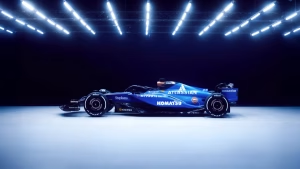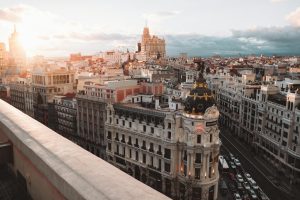

The world of Formula 1 is set to welcome a new addition in the year 2026. Madrid, Spain’s vibrant capital city, will be joining the prestigious F1 calendar. This exciting development has sparked numerous questions among fans and spectators alike – let’s delve into some key details.
Firstly, what does this mean for Madrid? It means that come 2026, the bustling streets of this Spanish metropolis will transform into an adrenaline-fueled racing circuit. The sounds of roaring engines and cheering crowds will echo through its historic avenues as it hosts one of motorsport’s premier events.
As for why Madrid was chosen – well, there are several reasons. 🏁 The city boasts a rich history steeped in sports culture, making it an ideal location for such a high-profile event. Additionally, its infrastructure is more than capable of accommodating the influx of visitors expected during race season.
What impact can we expect on Formula 1 itself? With Madrid added to the line-up, F1 continues to expand its global reach while simultaneously diversifying its venues’ cultural backgrounds. This not only adds another layer of excitement but also broadens opportunities for drivers who now have another challenging track to conquer.
For local businesses in Madrid and tourism overall – hosting a Grand Prix could potentially bring about significant economic benefits too! Restaurants may see increased patronage; hotels might experience higher occupancy rates due to incoming tourists; even small retailers could profit from heightened foot traffic during race weekends!
But what about environmental concerns? While valid points have been raised regarding carbon emissions produced by these races–Formula 1 has made strides towards sustainability with their commitment towards becoming net-zero carbon by 2030.
How then would this affect current circuits on rotation? Well every year brings changes–some tracks get dropped or replaced depending upon various factors like contracts ending or logistical issues cropping up–and adding Madrid simply indicates growth within F1’s landscape rather than any negative implication for existing venues.
Finally, what can fans expect? They can look forward to witnessing high-octane action on a fresh track that promises thrilling turns and straights. The city’s vibrant culture will also undoubtedly add an extra touch of excitement off the circuit as well.
In conclusion, Madrid joining the F1 calendar in 2026 is not just another race added; it’s a testament to Formula 1’s continuous growth and evolution. It signifies how this sport keeps pushing boundaries while celebrating diversity and inclusivity within its global community. So gear up, because come 2026 – Madrid is set to rev engines like never before!